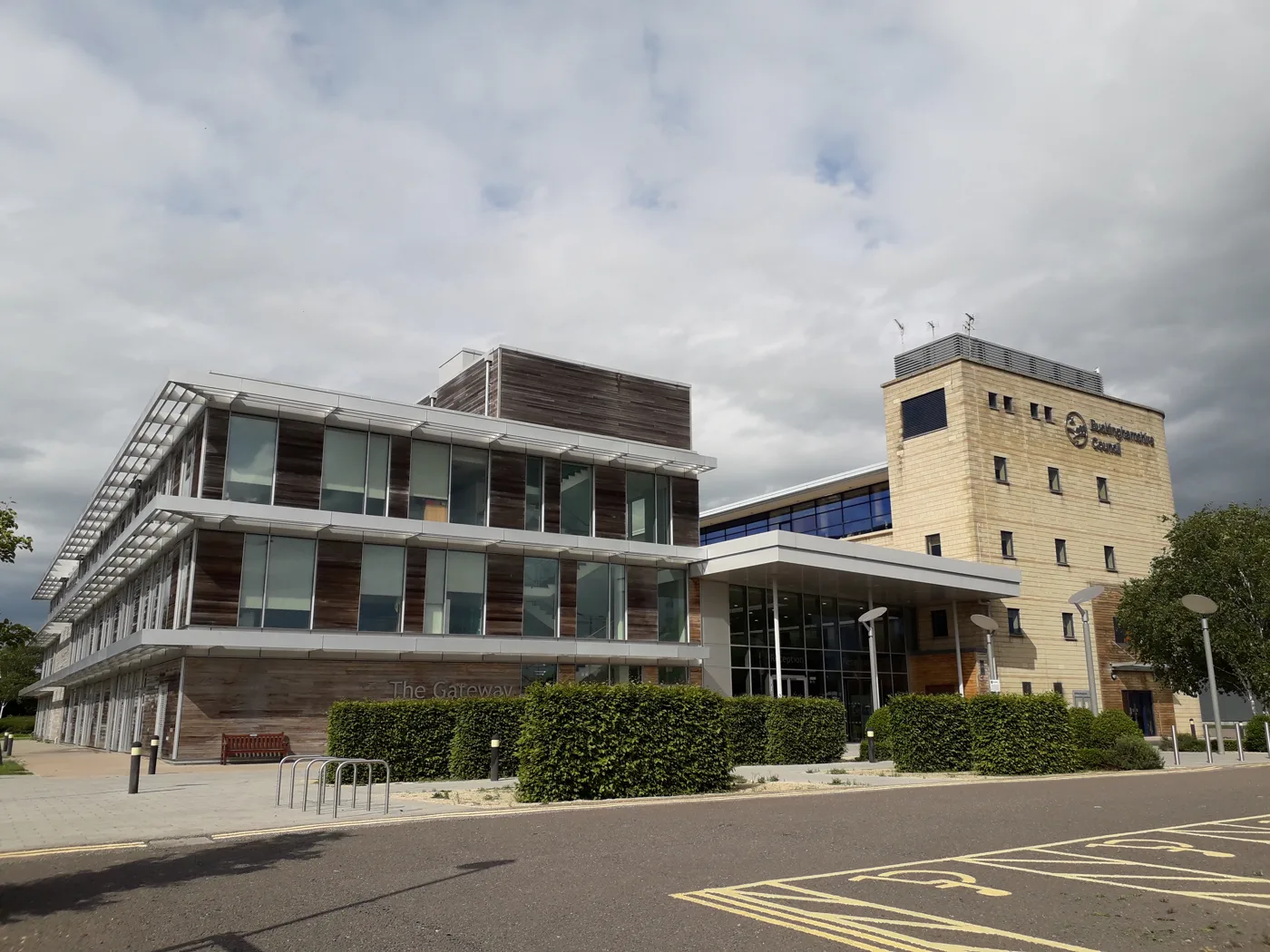

Full Council approved sending the Buckinghamshire Local Plan for examination on 25 November. It must reach the Planning Inspectorate by 31 December.
Buckinghamshire’s draft Local Plan will go to a government inspector, after Full Council approved its submission on Wednesday evening.
The council announced the decision at 6.30pm on 25 November. The plan, its evidence and every comment made on it will now be sent to the Planning Inspectorate.
The plan sets out where around 91,000 new homes should go across the county by 2045. Nine of the plan’s ten strategic new settlements are in the vale, with 26,100 homes by 2045, as our report on the Cabinet decision sets out.
What councillors approved
The report to Full Council asked members to agree three things:
- submit the plan, with the council’s list of suggested changes, to the Secretary of State for examination
- let the planning director make minor editorial and factual corrections before it goes
- ask the inspector to recommend any “main modifications” needed to make the plan sound
The plan itself has not changed since the summer consultation. Around 12,600 comments were made on it, and the report says officers still judge it sound. Changes such as keeping Aylesbury North apart from Weedon Hill as well as Bierton are suggestions for the inspector, not edits to the plan.
The council did not publish how members voted. The meeting papers and webcast are on its website.
Why the council had little choice on timing
The deadline was set in Westminster. On 13 February 2026 the housing minister, Matthew Pennycook, directed Buckinghamshire to submit its plan for examination no later than 31 December 2026, the report says.
The report also warns what would happen otherwise. A replacement plan would have to start again under the new plan-making system. That would raise “the risk of speculative and unplanned development” while the council’s housing land supply is under challenge.
Peter Strachan, the Cabinet Member for Planning, said the plan was needed “to inform how best to accommodate the 91,000 new homes required”. He added: “It also provides greater local influence over future growth, rather than leaving important decisions to be made through individual speculative planning applications.”
What it costs
The report puts the cost of getting this far, and the bill for what the plan needs:
- about £3.5 million spent on the plan by 31 March 2026
- about £1.9 million left in reserve, with the examination itself estimated at £0.5 million
- “at least circa £6.5 billion” of roads, schools, surgeries and other infrastructure across the county
- about £5.6 billion of that expected from developers, through Section 106 agreements and the Community Infrastructure Levy
Water and electricity upgrades are not in the £6.5 billion. The utility companies pay for those.
What happens next
| Stage | When |
|---|---|
| Submission to the Planning Inspectorate | No later than 31 December 2026 |
| Inspector appointed, hearings held in public | 2027 |
| Inspector’s report, then consultation on any changes | After the hearings |
| Adoption by Full Council | Expected early 2028 |
The council’s Local Plan page gives the submission deadline and says the examination is due to take place in 2027. The report gives early 2028 for adoption.
What it means for you
- Nothing is approved yet. “Submission does not mean the plan has been approved,” the council said. The inspector can recommend changes, including removing a site.
- You cannot send new comments now. Every comment made in the summer consultation goes to the inspector in full.
- The hearings are the next chance to be heard. People who asked to speak when they commented may be invited by the inspector to take part.
- The old plans are replaced only on adoption. The report says the legacy district plans, including the Aylesbury Vale’s, are all more than five years old, so their policies are no longer automatically treated as up to date.
Have your say